




- Website -







 Current Location:
NEWS INFORMATION
Yuyuan Steel Structure
Steel Structure Galvanizing Protection for Long Term Corrosion Prevention
AUTHOR:yuyuan DATE:2026-11-10 11:57:38 HITS:128
Corrosion is the one failure mechanism that is designed out at the beginning or paid for every year afterwards. For a steel building in a coastal, industrial or agricultural atmosphere, steel structure galvanizing is the most reliable insurance available - a metallurgically bonded zinc layer that protects the steel even when the surface is scratched.

The economics are straightforward. Galvanizing typically adds a modest percentage to the frame cost and can double or triple the maintenance-free period compared with a standard paint system. On buildings where access is difficult - roof structures, livestock houses, coastal plants - that difference is decisive.
What Happens in the Hot-Dip Galvanizing Bath
Hot-dip galvanizing is not a paint process. Cleaned steel is immersed in molten zinc at around 450 °C, and a series of zinc-iron alloy layers form at the interface, topped by a layer of relatively pure zinc. The coating is therefore bonded to the steel at a metallurgical level, with hardness greater than the base steel and no risk of peeling like a film.
Degreasing: removal of oil, grease and fabrication marks.
Pickling: acid bath removing mill scale and rust.
Fluxing: a protective flux layer preventing re-oxidation before the bath.
Galvanizing: immersion in molten zinc, forming alloy layers and the outer zinc layer.
Cooling and inspection: visual check plus coating thickness measurement.
Coating Thickness and Standards
Coating mass is measured in grams per square metre or in microns. Thicker steel generally produces a thicker coating because of the thermal mass and longer reaction time, and the expected value must be matched to the corrosivity category of the site.
| Environment | Corrosivity class | Typical coating | Expected maintenance-free life |
|---|---|---|---|
| Dry indoor / heated | C1-C2 | 45-55 µm | 50+ years |
| Urban inland | C3 | 55-70 µm | 30-50 years |
| Industrial / coastal moderate | C4 | 70-85 µm | 20-30 years |
| Coastal / high humidity | C5-I / C5-M | 85-100 µm or duplex | 15-25 years |
| Immersion / splash zone | CX / Im2 | 100+ µm plus cathodic or duplex | Design-specific |
Design Rules That Make Galvanizing Work
A coating is only as good as the detail it is applied to. The recurring design rules exist because zinc must be able to flow in, air must be able to escape, and water must be able to drain.
Vent holes: every hollow section must be vented so that air can escape and no pressure builds up in the bath.
Drainage holes: positioned so zinc can drain freely, avoiding dross traps in corners.
Avoid sealed crevices: overlapping plates create pockets that trap pickling acid; seal-weld or detail a gap.
Sequence of operations: all cutting, punching and welding must be completed before galvanizing.
Avoid sharp edges and deep undercuts: coating builds unevenly on sharp geometry and can flake.
Galvanizing Versus Paint Systems
| Aspect | Hot-dip galvanizing | Paint (blast + epoxy/PU) | Duplex (galvanizing + paint) |
|---|---|---|---|
| Protection mechanism | Barrier + cathodic | Barrier only | Barrier + cathodic + barrier |
| Damage tolerance | Zinc protects scratched edges | Rust creeps from scratches | Highest |
| Surface preparation | Chemical, in plant | Blast cleaning critical | Both |
| Typical initial cost | Medium | Lowest | Highest |
| Maintenance interval | 20-50 years | 8-15 years | 40+ years |
| Appearance / colour option | Metallic grey only | Any colour | Any colour over zinc |
Handling, Transport and Touch-Up
Galvanized steel is tough but not indestructible. Members should be lifted with nylon slings or padded chains, kept separated during transport to avoid wet-storage staining, and stored clear of the ground with air gaps. Small site damage from cutting or welding is repaired with a zinc-rich paint or zinc spray after cleaning the area back to bright metal.
Frequently Asked Questions
Q: Can galvanized steel be welded on site?
Yes, but the zinc near the weld must be ground away first and the area reinstated afterwards with a zinc-rich coating. Welding fumes from galvanized steel require extraction and respiratory protection.
Q: Is galvanizing worth it for an inland warehouse?
If the building is dry, accessible and expected to be recoated periodically, a quality paint system is usually sufficient. Galvanizing becomes clearly economic in aggressive or inaccessible locations and for members that will be sealed behind cladding.
Q: Will the shiny finish last?
Fresh galvanizing is bright and gradually weathers to a uniform matte grey patina. The appearance change is normal and does not indicate loss of protection.
Q: How is coating thickness verified?
With a magnetic thickness gauge, measured at several points on each member type and averaged. Results are recorded against the specification and the applicable standard.
Q: Can I paint over galvanizing?
Yes - a duplex system. The zinc surface must be degreased and lightly swept or etched to ensure adhesion, and an etch primer or a coating specifically approved for galvanized substrates should be used.
Conclusion
Steel structure galvanizing converts corrosion from an annual operating expense into a one-time design decision. Correct detailing for dipping and drainage, a coating mass matched to the site's corrosivity category, and sensible handling on site are all that is required to secure decades of maintenance-free service.
Our technical team specifies coating systems to match project location, member size and service life target, including galvanized, painted and duplex options. Send your project location and expected service life for a coating recommendation.
References
GB/T 7714: Long-Term Atmospheric Corrosion Performance of Hot-Dip Galvanized Structural Steel. Corrosion Science.
MLA: Design Detailing Requirements for Venting and Drainage in Galvanized Fabrications. Steel Construction Journal.
APA: Life-Cycle Cost Comparison of Galvanized, Painted and Duplex Coating Systems. Journal of Protective Coatings and Linings.
-
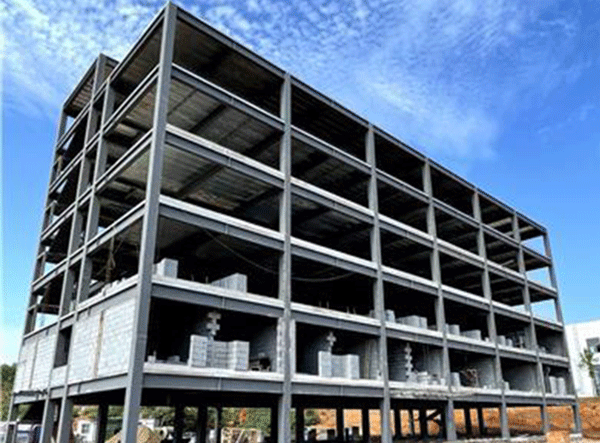
Fast Assembled Multi-Story Steel Structure Workshop Factory For Industrial Use
-
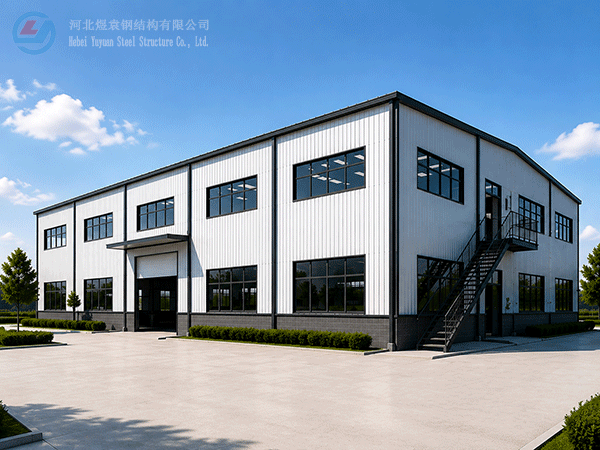
Modern Two-Storey Prefabricated Steel Structure Workshop Building Industrial Shed Construction
-

Yuyuan export Steel Structure Warehouse Prefab Steel Structure Warehouse for storage
-
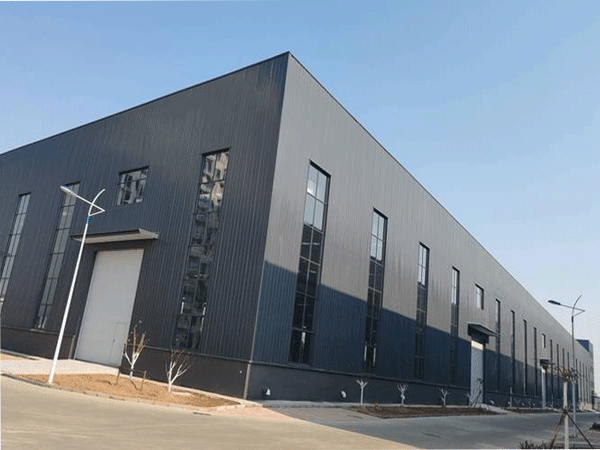
Export steel structure workshops Prefabricated steel structure workshops Light steel structure war
-

High Quality Low Cost Prefabricated Steel Structure Industrial Warehouse Shed
-

Xiao Sheng - Maldives
-

Xiao Sheng - Maldives
-

Xiao Sheng - Maldives
Hebei Yuyuan Steel Structure Co., Ltd.
Copyright © 2024-2025 https://www.yysteelwarehouse.com. All Rights Reserved Hebei Yuyuan Steel Structure Co., Ltd. All Rights Reserved.