




- Website -







 Current Location:
NEWS INFORMATION
Yuyuan Steel Structure
Essential Design Principles for Building a High-Efficiency Steel Structure Warehouse
AUTHOR:yuyuan DATE:2026-01-08 16:02:37 HITS:59
A steel structure warehouse is widely recognized as one of the most efficient solutions for modern storage and logistics facilities. As industries demand faster construction, higher load capacity, and flexible expansion, steel structure warehouse design has become a key factor in achieving operational efficiency and long-term reliability.
This guide outlines the essential design principles that help create a high-efficiency steel structure warehouse, focusing on structural performance, functional layout, and production-oriented planning.
 |  |
Understanding the Purpose of a Steel Structure Warehouse
Before design begins, it is critical to clearly define the purpose of the steel structure warehouse. Different usage scenarios—such as logistics storage, industrial materials, or distribution centers—directly affect layout, load requirements, and structural configuration.
A well-designed steel structure warehouse balances space utilization, operational flow, and structural safety. Many projects rely on standardized solutions developed by experienced manufacturers with mature production systems, ensuring consistency and scalability across similar facilities.
Site Planning and Layout Optimization
Efficient site planning is the foundation of a high-performance steel structure warehouse.
Key layout considerations include:
·Vehicle access and circulation paths
·Loading and unloading zones
·Storage density and aisle width
·Future expansion space
A clear and logical layout minimizes material handling time and improves workflow efficiency. Structural spans should be designed to reduce internal columns where possible, creating open and flexible storage areas.
Structural Design Principles
The structural system is the core of any steel structure warehouse. Design decisions should prioritize safety, durability, and cost efficiency.
Load Analysis
Designers must consider:
·Dead loads from structural components
·Live loads from stored goods and equipment
·Wind and seismic loads based on location
Accurate load calculation ensures the steel structure warehouse performs reliably under both daily operation and extreme conditions.
Span and Height Design
Optimizing span and height improves storage capacity. Longer spans reduce column interference, while appropriate height design supports vertical storage systems without unnecessary material usage.
Material Selection and Component Standardization
Material selection plays a crucial role in steel structure warehouse efficiency. Structural steel grades should meet strength and durability requirements while remaining cost-effective.
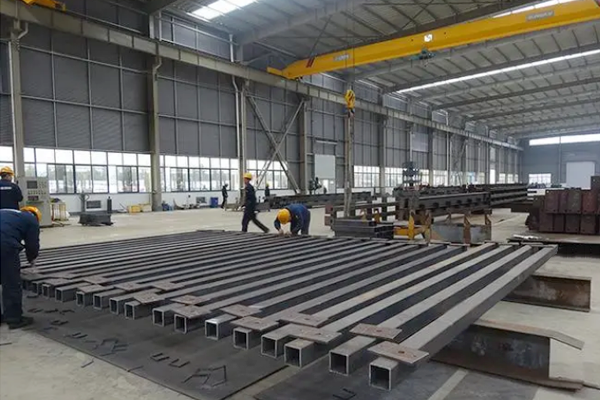
Standardized components—such as beams, columns, and bracing systems—simplify fabrication and installation. This approach aligns well with factory-based production methods, allowing components to be produced in batches and delivered efficiently.
Integration of Roofing and Wall Systems
Roof and wall systems directly affect energy efficiency, durability, and internal working conditions.
Important factors include:
·Thermal insulation performance
·Natural lighting solutions
·Weather resistance
·Ventilation design
A properly integrated enclosure system improves internal comfort and protects stored goods, extending the functional life of the steel structure warehouse.
 |  |
Design for Construction Efficiency
High-efficiency steel structure warehouse design should consider the construction process from the beginning.
Key strategies:
·Use prefabricated structural components
·Minimize on-site welding
·Design for bolt-based connections
·Simplify assembly sequences
These principles reduce construction time and labor costs. When supported by organized production planning and bulk supply capability, projects benefit from predictable schedules and consistent quality.
Operational Efficiency and Workflow Design
Beyond structural considerations, internal workflow design significantly impacts warehouse efficiency.
Key aspects include:
·Racking system compatibility
·Equipment movement paths
·Clear zoning for different operations
·Safety and visibility
Designing the steel structure warehouse around actual operational needs ensures long-term productivity and adaptability.
Durability and Maintenance Considerations
Long-term performance is a critical design goal. Protective surface treatments, corrosion resistance, and drainage design all contribute to durability.
Easy access for inspection and maintenance reduces operational downtime. A steel structure warehouse designed with lifecycle performance in mind delivers better return on investment over time.
Sustainability and Resource Efficiency
Modern steel structure warehouse projects increasingly emphasize sustainability. Steel’s recyclability, reduced construction waste, and efficient material usage support environmentally responsible building practices.
Optimized structural design reduces material consumption while maintaining strength, aligning efficiency goals with sustainability requirements.
Common Design Mistakes to Avoid
To achieve high efficiency, designers should avoid:
·Overdesigning structural members
·Ignoring future expansion needs
·Poor coordination between structure and layout
·Underestimating operational loads
Addressing these issues early improves both construction and long-term operational outcomes.
Final Thoughts on Steel Structure Warehouse Design
A steel structure warehouse designed with efficiency in mind delivers significant advantages in construction speed, operational flexibility, and long-term reliability. By applying sound structural principles, optimized layouts, and production-oriented planning, projects can achieve consistent performance and scalable results.
Supported by professional manufacturing experience, standardized production processes, and reliable bulk supply, steel structure warehouse solutions continue to play a vital role in modern industrial and logistics development.
References
GB/T 7714:Gibb A G F. Off-site fabrication: prefabrication, pre-assembly and modularisation[M]. John Wiley & Sons, 1999.
MLA:Gibb, Alistair GF. Off-site fabrication: prefabrication, pre-assembly and modularisation. John Wiley & Sons, 1999.
APA:Gibb, A. G. (1999). Off-site fabrication: prefabrication, pre-assembly and modularisation. John Wiley & Sons.
-
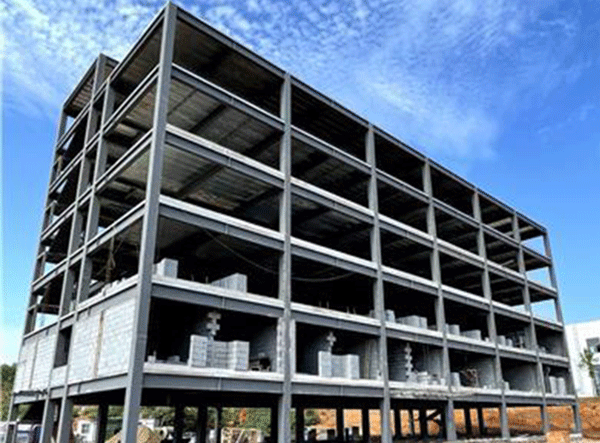
Fast Assembled Multi-Story Steel Structure Workshop Factory For Industrial Use
-
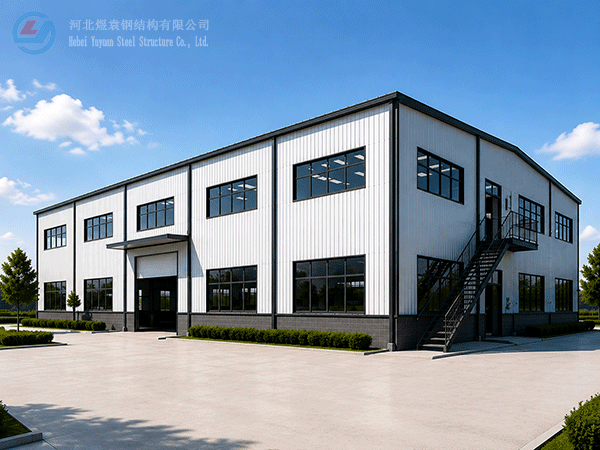
Modern Two-Storey Prefabricated Steel Structure Workshop Building Industrial Shed Construction
-

Yuyuan export Steel Structure Warehouse Prefab Steel Structure Warehouse for storage
-
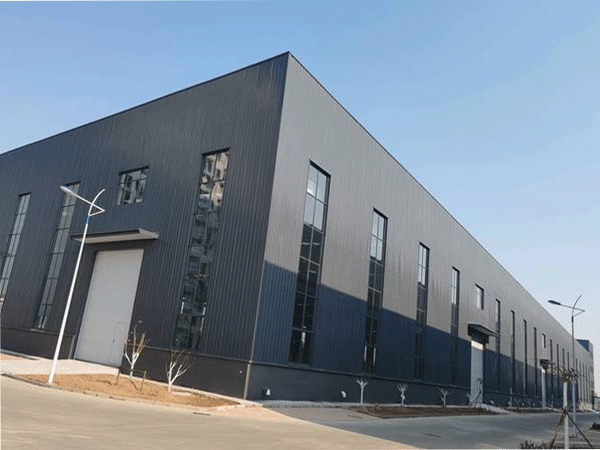
Export steel structure workshops Prefabricated steel structure workshops Light steel structure war
-

High Quality Low Cost Prefabricated Steel Structure Industrial Warehouse Shed
-

Xiao Sheng - Maldives
-

Xiao Sheng - Maldives
-

Xiao Sheng - Maldives
Hebei Yuyuan Steel Structure Co., Ltd.
Copyright © 2024-2025 https://www.yysteelwarehouse.com. All Rights Reserved Hebei Yuyuan Steel Structure Co., Ltd. All Rights Reserved.