




- Website -







 Current Location:
NEWS INFORMATION
Yuyuan Steel Structure
Export Packing and Container Loading Guide for Steel Structure Shipments
AUTHOR:yuyuan DATE:2026-10-31 11:47:39 HITS:103
A steel building is only as good as its arrival condition. Frames that are perfectly fabricated can reach site bent, rust-stained, or missing the three bolt boxes that hold up the entire erection programme. On export projects, packing and loading are therefore engineering tasks, not warehouse chores.

Good steel structure export packing achieves four things: the steel arrives undamaged and dry, every piece is identifiable against the erection drawings, containers are filled efficiently, and unloading on site follows the erection sequence rather than fighting it.
Designing the Bundle
Bundles must be stable under lifting, stacking and sea motion. Long flexible members are bundled with spacers so they cannot chafe, and the bundle is strapped at intervals that prevent individual pieces from sliding out during handling.
Group by erection sequence: bundle so that the first bay can be unloaded first, not dug out from the bottom.
Separate by member type: columns, rafters, purlins, bracing and cladding each have their own bundle logic.
Use spacers and dunnage: timber or rubber separators prevent metal-to-metal scuffing of coated surfaces.
Protect ends and threads: anchor bolts, threaded rod and machined surfaces need caps or wrapping.
Limit bundle weight: keep within the capacity of the site crane and the port handling equipment.
Marking, Numbering and the Packing List
Every piece must carry the same mark number as the fabrication drawing and the packing list. This is the single discipline that separates a smooth erection from weeks of sorting steel on the ground.
Apply the mark number with a durable method - stencilled paint, embossed tag or welded tag, never paper.
Match the mark to the erection drawing exactly, including the bay and level reference.
Issue a packing list organised by container number, bundle number and mark number.
Include a bolt and accessory list with each container, and ship spare bolts and touch-up paint.
Provide a loading plan showing where each bundle sits in each container.
Container Loading and Utilisation
Standard 40 ft containers are the backbone of steel exports, and member lengths are normally detailed to fit them. Utilisation - how much of the container's volume and payload is actually used - is one of the largest controllable freight costs on a project.
| Container type | Usable internal length | Best for | Limitation |
|---|---|---|---|
| 20 ft general purpose | About 5.9 m | Heavy dense items: bolts, accessories | Short members only, weight-limited |
| 40 ft general purpose | About 12.0 m | Standard frame members, purlins, cladding | Length limit for long rafters |
| 40 ft high cube | About 12.0 m, extra height | Bulky bundles, panels, decking | Height only - length unchanged |
| 40 ft open top | About 12.0 m, top loading | Over-height bundles, tall frames | Tarpaulin cover, weather exposure risk |
| 40 ft flat rack | No side or top walls | Oversized or very heavy members | Requires lashing expertise, higher cost |
| Break bulk | Vessel hold | Members exceeding any container | Port handling cost and scheduling |
Moisture and Corrosion Protection in Transit
A container at sea is a humid, temperature-cycling environment, and condensation inside it is normal. Coated steel arriving with water staining is a well-known and avoidable problem.
Wrap bundles in a breathable waterproof membrane rather than sealed plastic that traps moisture.
Add desiccant bags proportionate to the container volume and the voyage duration.
Keep steel clear of the container floor with dunnage to avoid standing water contact.
Avoid shipping wet steel - members must be dry after coating or galvanizing before packing.
Ventilate during inland storage before loading, especially in humid seasons.
Documentation Set
Customs clearance and site handover both depend on paperwork that matches the physical shipment exactly. A mismatch between the packing list and the Bill of Lading is the most common cause of clearance delay.
Commercial invoice and packing list with identical weights, dimensions and container numbers.
Bill of Lading consistent with the packing list.
Mill certificates and material test certificates traceable to heat numbers.
Certificate of origin and any conformity documentation required by the destination country.
Erection drawings, bolt lists and handling instructions shipped with the steel and also sent in advance.
Site Unloading and First Checks
Check container and seal numbers against the documents before opening.
Photograph any damage to bundles before unloading, and note it on the delivery receipt.
Unload in erection sequence and lay members on dunnage, clear of standing water.
Verify counts against the packing list within the first day, not on the last.
Report any shortage immediately so that replacement can be shipped while the site is still early in the programme.
Frequently Asked Questions
Q: How are long members handled if they exceed container length?
Options include detailing a bolted splice at a convenient point so members fit standard containers, using open-top or flat-rack containers, or shipping as break bulk. Splicing to suit transport is usually the most economical solution.
Q: How many containers does a typical warehouse need?
It depends on tonnage and member geometry. A 3,000-5,000 m2 warehouse commonly ships in 15-30 container loads depending on the cladding system and member detailing.
Q: Can cladding and accessories ship with the frame?
Yes, and it is strongly recommended. Consolidating frame, purlins, cladding, bolts and accessories guarantees that everything arrives together and reduces freight cost per tonne.
Q: What causes rust staining during shipment?
Almost always moisture trapped in the bundle or condensation inside the container. Breathable wrapping, desiccants, dunnage and shipping only dry steel prevent it.
Q: How early should documentation be sent?
Advance copies of the packing list, erection drawings and bolt lists should be sent before the vessel arrives so that the site team can plan unloading and check quantities immediately on arrival.
Conclusion
Well-executed steel structure export packing protects the steel, preserves the erection sequence, fills containers efficiently and clears customs without delay. It is one of the highest-leverage activities in an overseas project and costs a small fraction of what a damaged or short shipment costs to fix.
Our project team issues sequenced packing lists, loading plans, container utilisation reports and full documentation sets for every shipment. Send your project location and building dimensions for a packing and shipping proposal.
References
GB/T 7714: Handling Damage and Packing Methods in International Structural Steel Shipments. Journal of Construction Engineering and Management.
MLA: Container Utilisation Optimisation for Prefabricated Building Components. Maritime Economics and Logistics.
APA: Moisture Control and Corrosion Prevention During Marine Transport of Steel Products. Corrosion Engineering Journal.
-
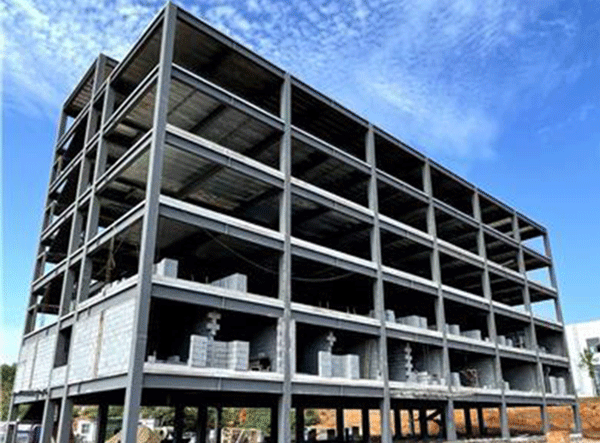
Fast Assembled Multi-Story Steel Structure Workshop Factory For Industrial Use
-

Modern Two-Storey Prefabricated Steel Structure Workshop Building Industrial Shed Construction
-

Yuyuan export Steel Structure Warehouse Prefab Steel Structure Warehouse for storage
-
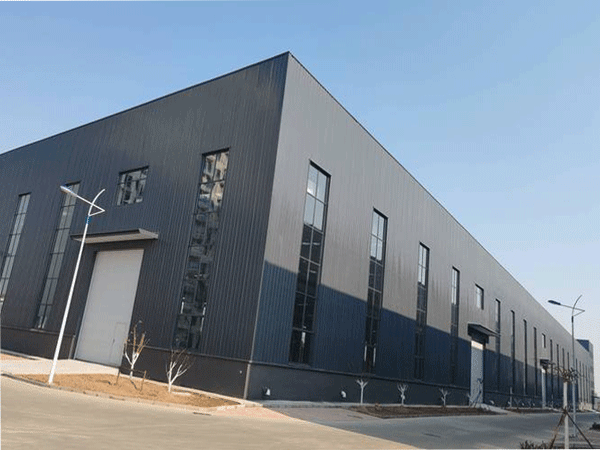
Export steel structure workshops Prefabricated steel structure workshops Light steel structure war
-

High Quality Low Cost Prefabricated Steel Structure Industrial Warehouse Shed
-

Xiao Sheng - Maldives
-

Xiao Sheng - Maldives
-

Xiao Sheng - Maldives
Hebei Yuyuan Steel Structure Co., Ltd.
Copyright © 2024-2025 https://www.yysteelwarehouse.com. All Rights Reserved Hebei Yuyuan Steel Structure Co., Ltd. All Rights Reserved.